⛳️ 400+ account creations for a mobile golf game

Organisation
Golf Tournament
Role
Interaction Designer
Duration
2 months
Tools & Technologies
Figma
Press Release
AR/VR
Player Conversions
Problem
Before this project, the existing design team had successful results when it launched a similar product for a very popular theme park. They were asked to create a similar AR experience for this golf client for its championship tournament. That's when I joined.


My role
Led end-to-end UX design for a mobile gaming experience to be hosted at a pro golf tournament that included an AR scavenger hunt, an AI custom agent, and daily challenges.
Outcome
61% of Inspiration Dome visitors joined LPGA Fan Quest, and the AR scavenger hunt was by far the most popular of the experiences offered by the app.
How I solved it
What's special about this project is that it's purely a mobile experience with augmented reality interfaces. The point is to play the game on the go on any mobile device using any type of browser. There was no problem to solve only a new experience to build using template from the previous design, customizing it and upgrading it.
Research
I was given:
A proposed user flow with a list of features that served as the foundation for the experience that could be built upon or changed throughout the process.
Initial research for user segments that was conducted by a 3rd party prior to me joining the project.
A 20-page project kickoff document that detailed the first project that led to this one and what made it successful.
This all served as a good artifacts for my designs and what our users would be expecting
Then I created a user flow to align the team on how this experience will operate.

Visual Direction
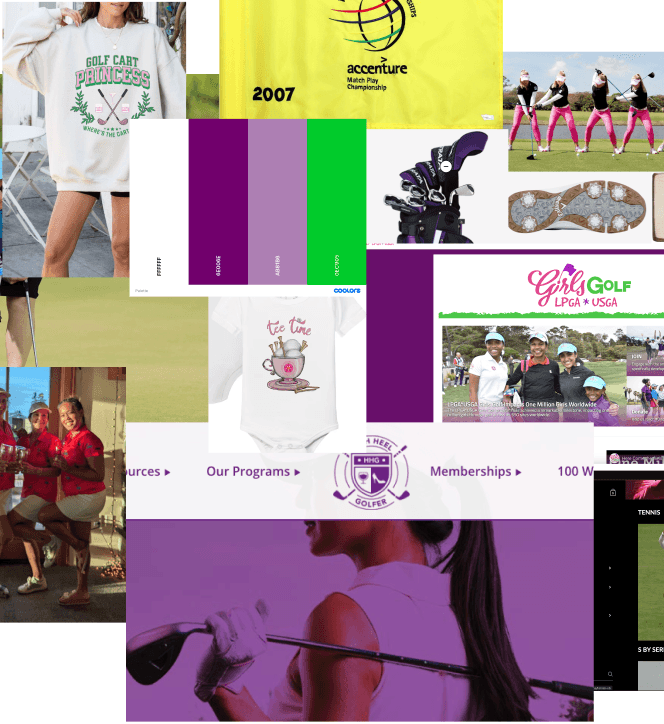
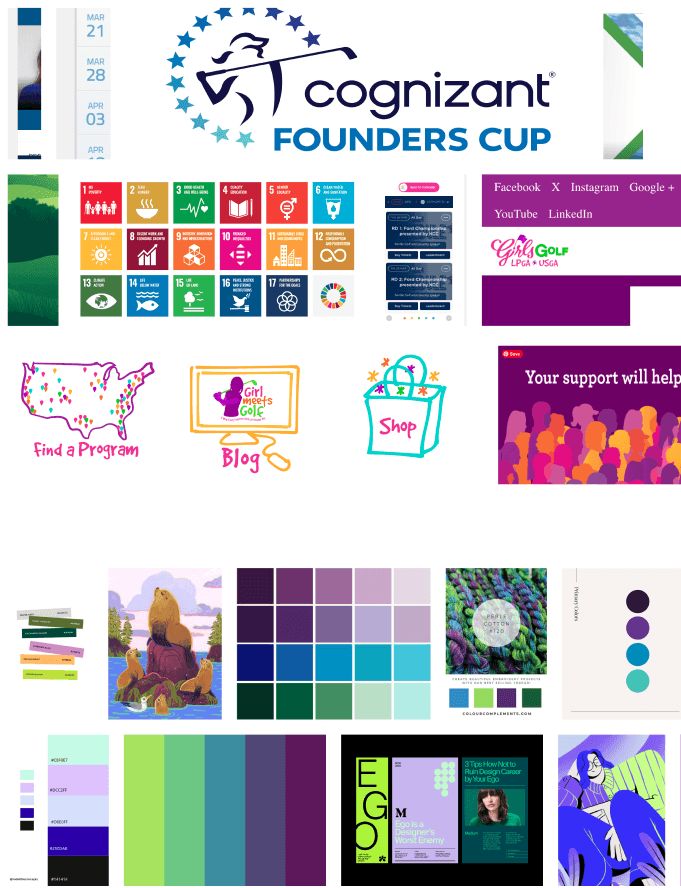
Once aligned on flows, the team started moodboarding (a collage of images, video frames, patterns, or text that convey a certain feeling at a glance) to understand the visual direction I wanted to go in. I collaborated with the 3D artist in explaining the color scheme and what I wanted to experience to feel like.
Design
UX
After all aligning with the visual direction of the game, I started on wireframing. The team went through 5 rounds of iterations before I handed off the visual design who applied the design system.
My role was to oversee the UX for the experience. That means I created the wireframes for how the experience will move from screen to screen. This served as the scaffolding for the entire experience and would eventually be handed off the visual design to take forward.
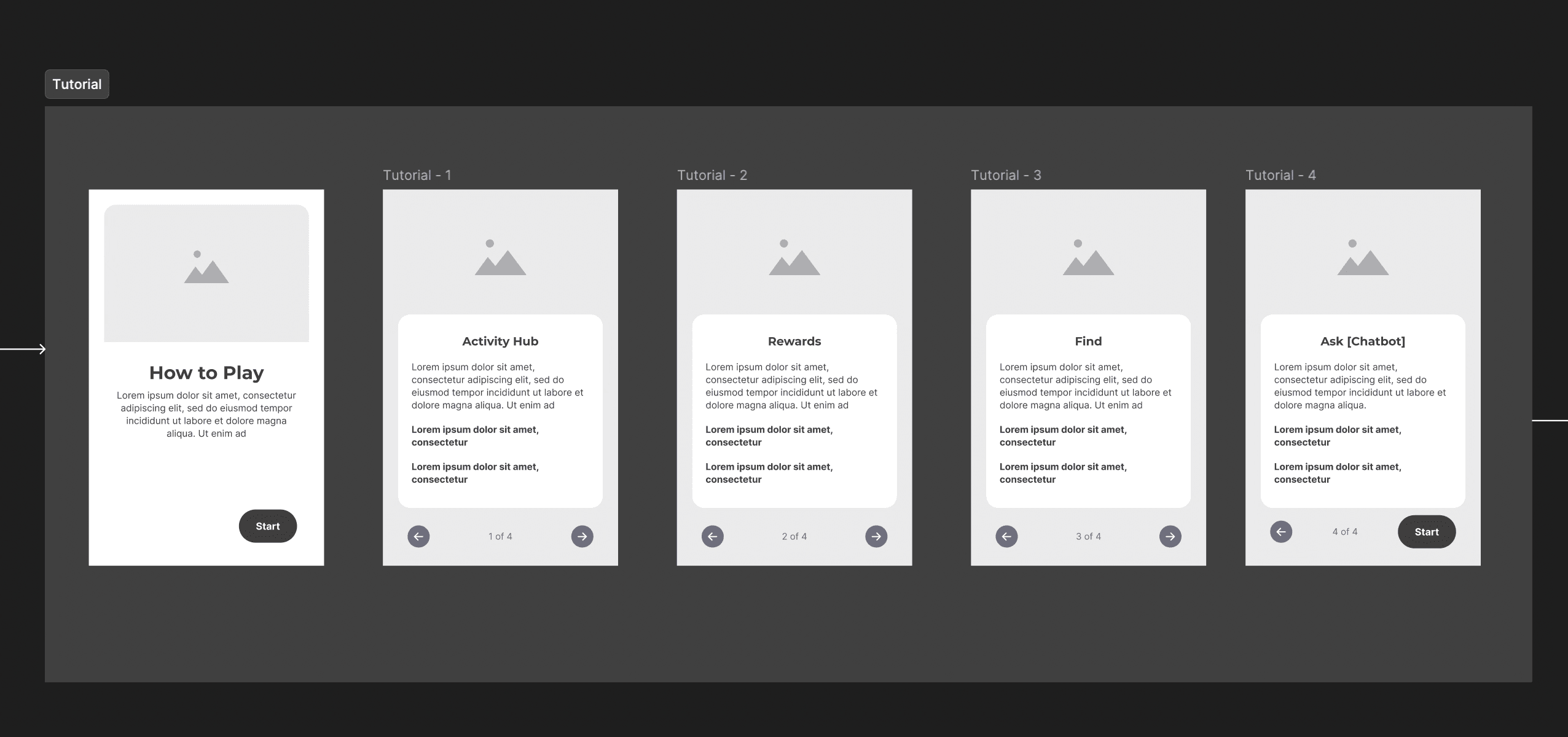
The team went through 5 rounds of iterations before I handed off to the visual designer who applied the design system.
UI
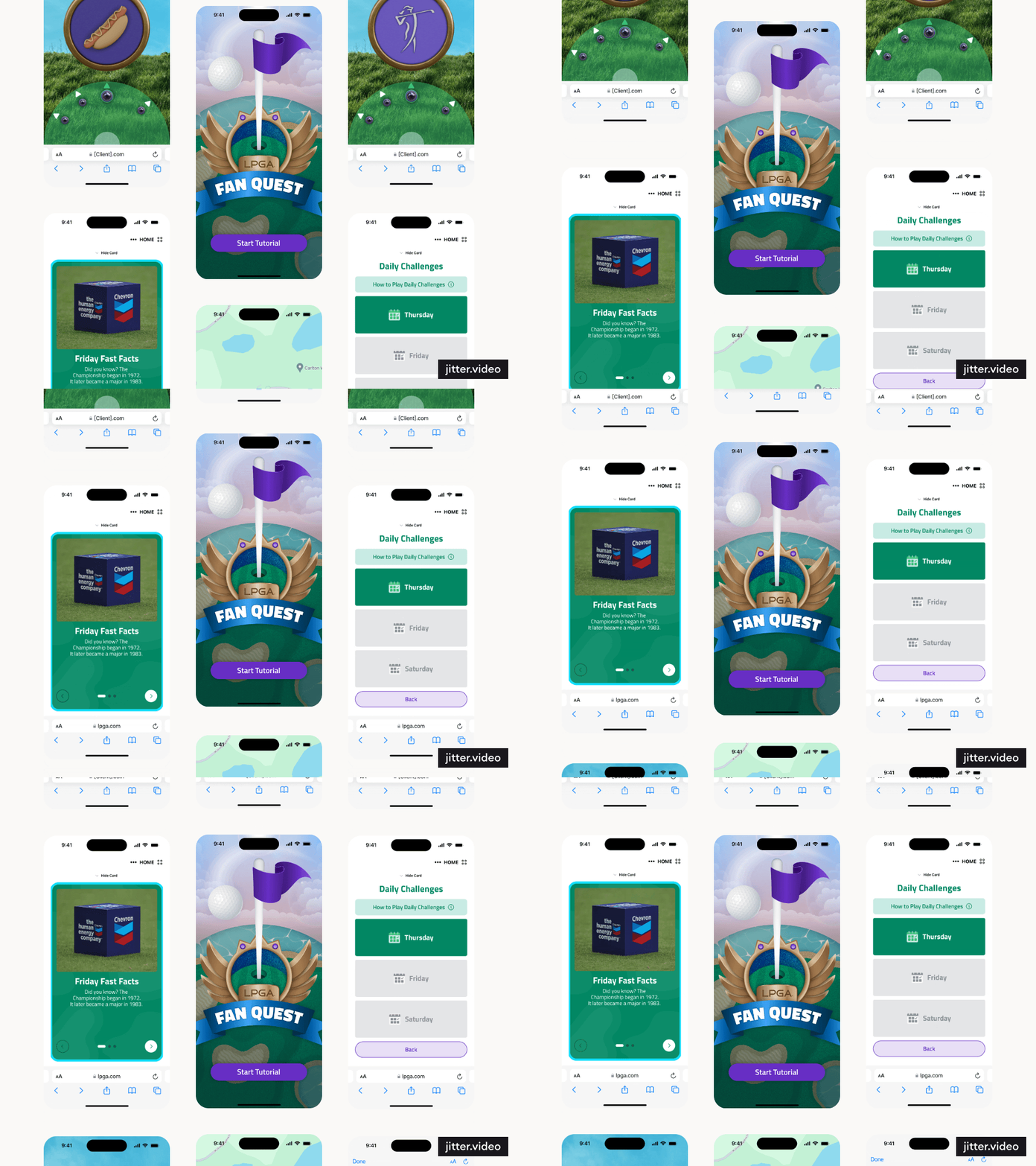
This was just a taste of the entire process.
If you want to know more about tradeoffs, what didn't make it into production, and challenges, get in touch with me to know more!

Final Outcome
An AR/VR mobile experience that resulted in
Users, on average, collected 5 of the objects that were available at activations scattered throughout the tournament property.
400+ account creations via email, SMS, or Google API surpassing our initial goal of 250 signups.
Out of the 400+ conversions, 300+ unique users initiated their first chat with the dedicated AI agent.
150+ Asset pickups which is “on par” with what we expected for our goal.
300+ game completions.
Read the press release here
Retrospective
This was the first team where I was working with a 3D artist, so they had to use Unity to make the 3D assets. It made me think about why there wasn't a Unity integration for Figma so that AR assets can be seamlessly tested in prototypes.
Challenges
The designs weren't typical because I was constrained by the type of tech I had to use to host the AR platform. The team used 8th Wall as the AR platform. The Birdie app was overseen by an offshore South American studio specializing in AR gaming, so it was interesting to collaborate with them, observe their end-to-end process, and incorporate their ideas into my designs.
// Other works
Have a look at my other work

✂️ Cut buy sheet and vendor receipt creation time by 30%
1 month
2023
The client needed a new reporting experience for their internal buyers.

Fortune 500 Retail Company
UX Designer

📄 Migrating a legacy auto claims system for 700+ employees
3 months
2022
The client was feeling the effects of having an outdated insurance claim processing system for their representatives.

Auto Insurance Company
UX Designer


